We believe everyone deserves reliable infrastructure

Lack of stable infrastructure is unfairly holding back huge portions of the world’s population from running businesses, preparing food, and accessing safe and reliable healthcare.

We care deeply about bringing the benefits of modern systems, inclusive decision-making, and open information to everyone.

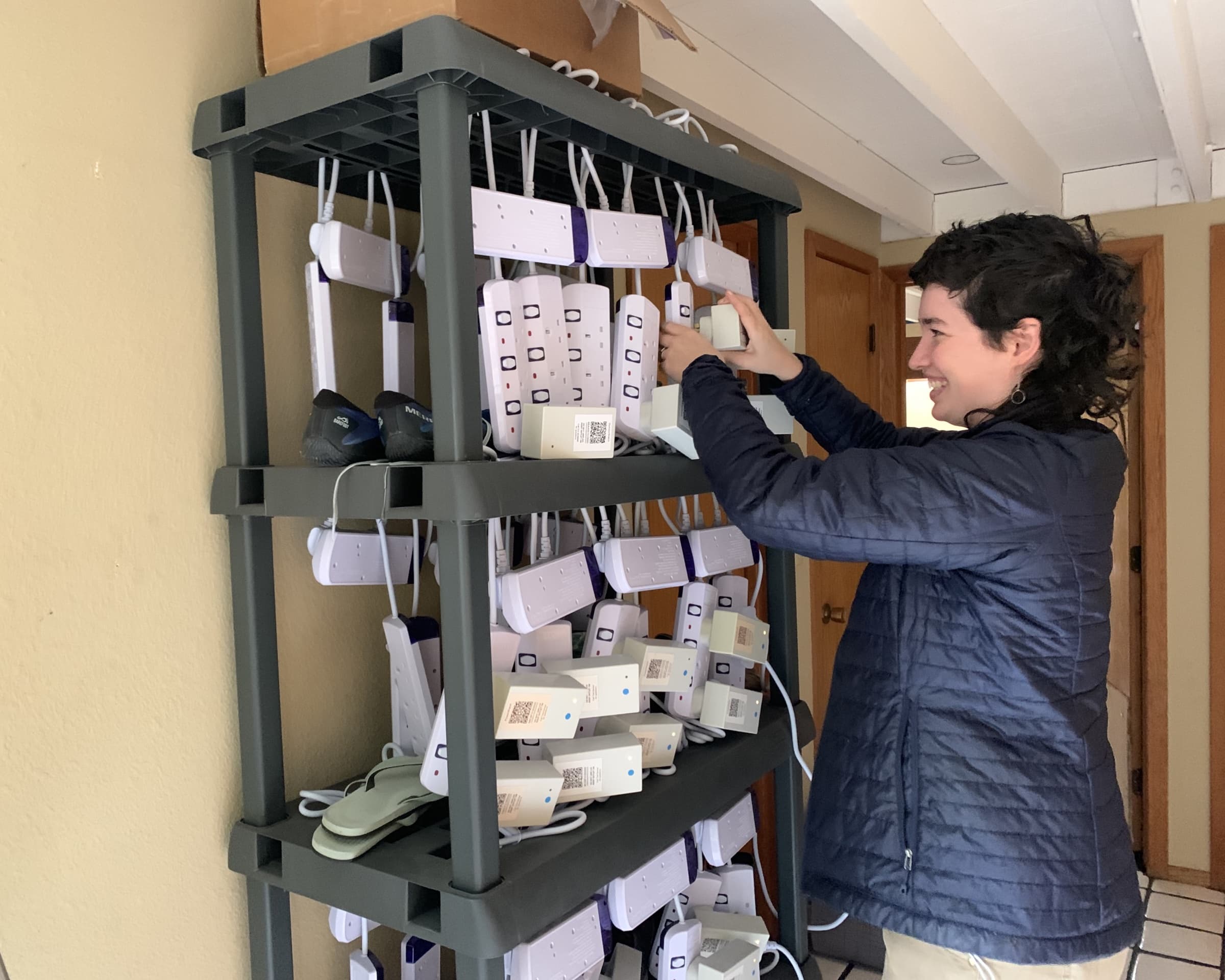
Alexandra, Jackson, and Marguerite preparing sensors for a pilot in the Democratic Republic of the Congo.

Founded at UC Berkeley,
now a global team

In 2017, nLine started in the Electrical Engineering department of University of California, Berkeley where Josh and Noah, two of our co-Founders received their PhDs, and Prabal, our third co-founder, is a faculty member. Since then, we’ve grown both in Berkeley and across the globe with a talented team of people.
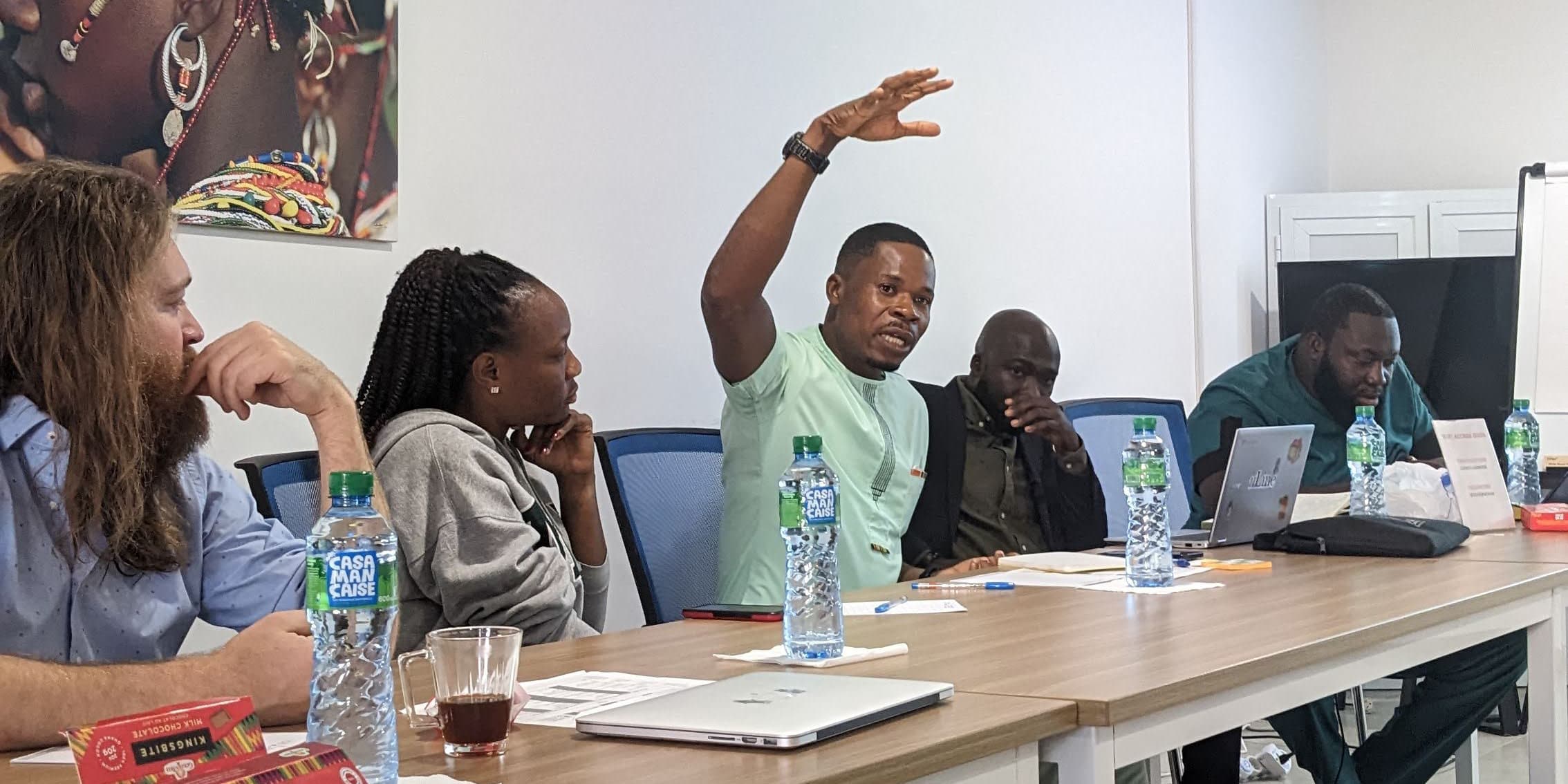

Working with the garage door open

Drawing from our academic roots, we try to publish everything we learn - from papers, to conferences, to blog posts. We always love to get in touch with others pushing towards similar goals.
Avatar for Margaret Odero
Margaret Odero

Characterizing Healthcare Power Quality: Exploratory Findings from the MetaFridge Dataset

This post introduces the MetaFridge dataset - a high-resolution collection of voltage and frequency measurements from vaccine refrigerators deployed across public health facilities in Kenya - and illustrates its value through a case-study analysis of data from 2023.
Avatar for Olufolahan OsunmuyiwaAvatar for Noah Klugman
Olufolahan Osunmuyiwa and Noah Klugman

Could improving power quality boost economic growth in Sierra Leone?

In this post, we present findings from a nine-month study in Freetown, Sierra Leone, using GridWatch sensors deployed in 48 businesses across 12 transformers. The study reveals that MSMEs in eastern Freetown experienced nearly seven times more outage hours than those in western Freetown, with businesses experiencing an average of 300 hours of outages per month. The post highlights how improving power quality and reliability could raise utility revenues, support capacity planning, and unlock investment for economic growth.
Avatar for Margaret Odero
Margaret Odero

Re-examining Healthcare Electrification Metrics: The Case for Disaggregated Metrics in Critical Care

In this post, we describe findings from measuring both hospital- and room-level KPIs, uncovering that different rooms or departments within healthcare facilities experience varying PQR outcomes. In doing so, we highlight the importance of considering room-level KPIs, especially in critical rooms, alongside hospital-level metrics to more accurately measure healthcare electrification outcomes.

Join our team

We’re a small and highly motivated team addressing the most pressing problems in energy infrastructure. If you care about our mission, please apply!

See openings

Get in touch

We’re open to new partnerships, or sharing more with people interested in our work.